Rovos Rail – Things to know before you book
There are journeys where the goal is simply to get from one destination to another. And then there is Rovos Rail. Travelling aboard Rovos Rail means deliberately slowing things down. Instead of flying over Southern Africa, you watch the landscape change outside your window, broken up by carefully selected stops along the way: a game drive, a historic town, desert dunes. Dinner is a dressed-up occasion in a wood-panelled dining car, and afternoons disappear in the observation car as another corner of the continent rolls past. But what is travelling on Rovos Rail actually like? Which route should you choose? And is it worth including in your itinerary?
A Second Life for Vintage Carriages
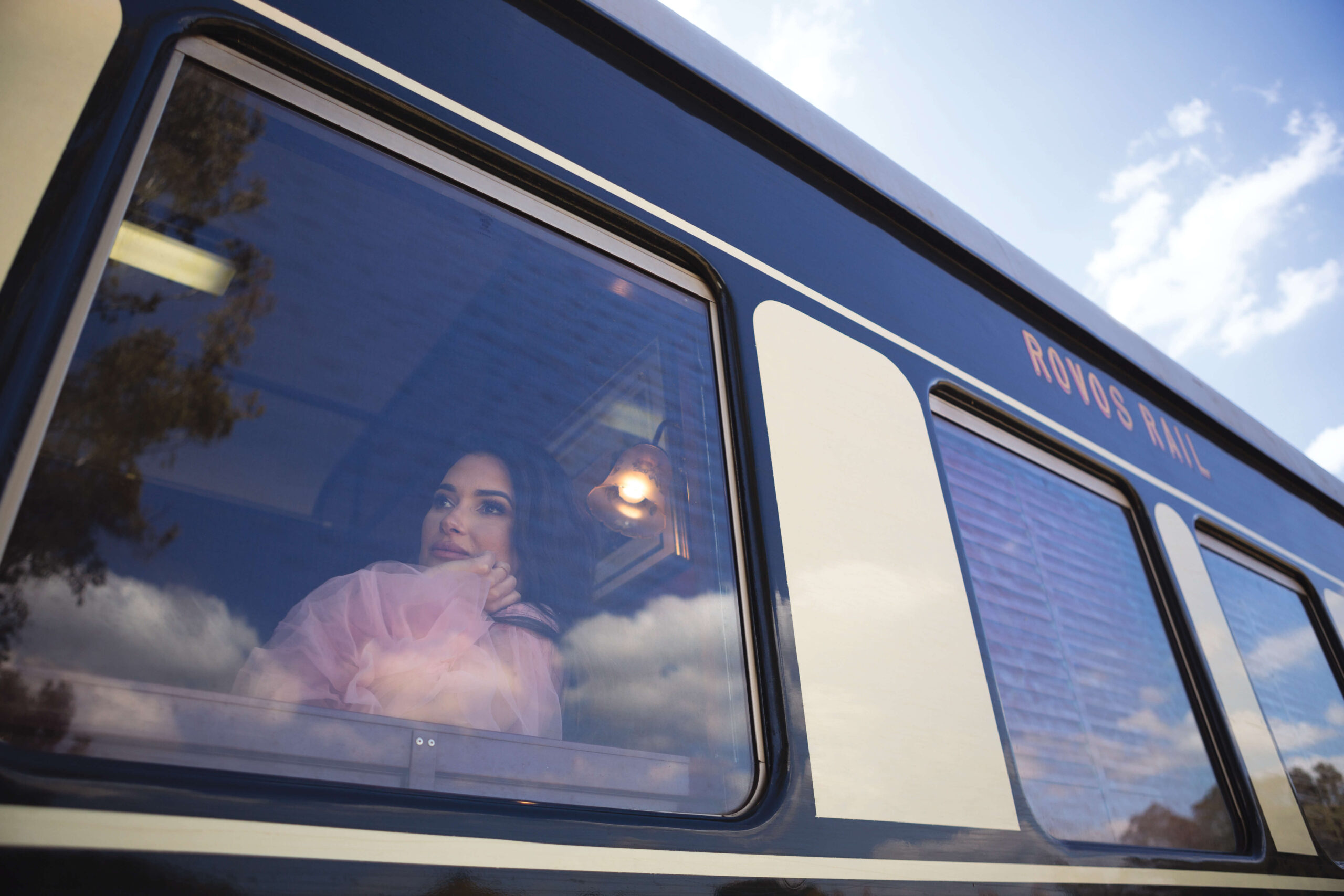
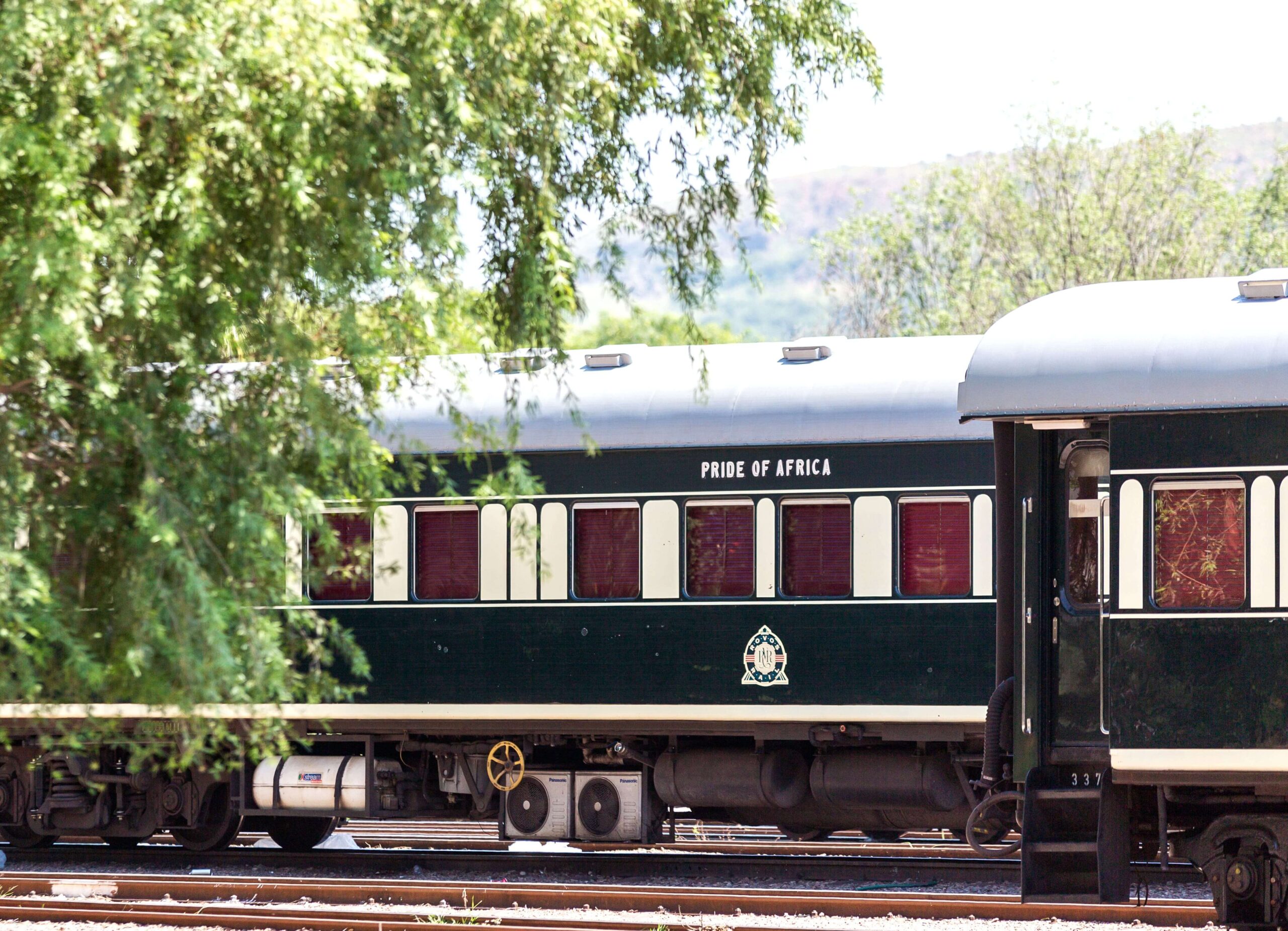
Rovos Rail set out on its first journey on 29 April 1989. Four paying passengers were aboard, along with friends and press. The train was the idea of a South African businessman named Rohan Vos. Most of the carriages in service today were not built new. They were found abandoned on sidings around the country, old rolling stock left to rust once South Africa’s rail network moved on to faster, plainer trains. Each one was restored piece by piece at the company’s own depot at Capital Park Station in Pretoria, which has been the line’s home base ever since.
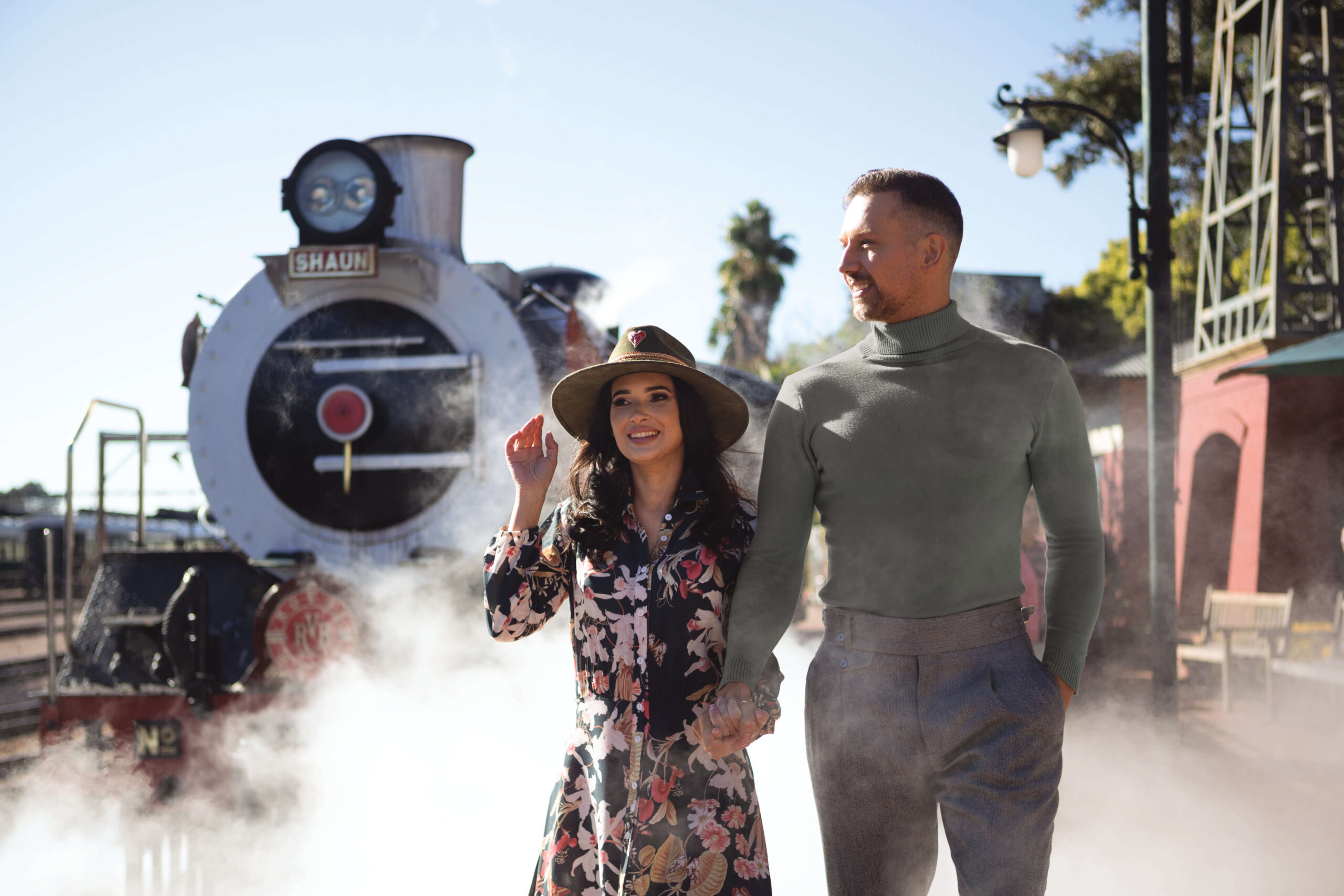
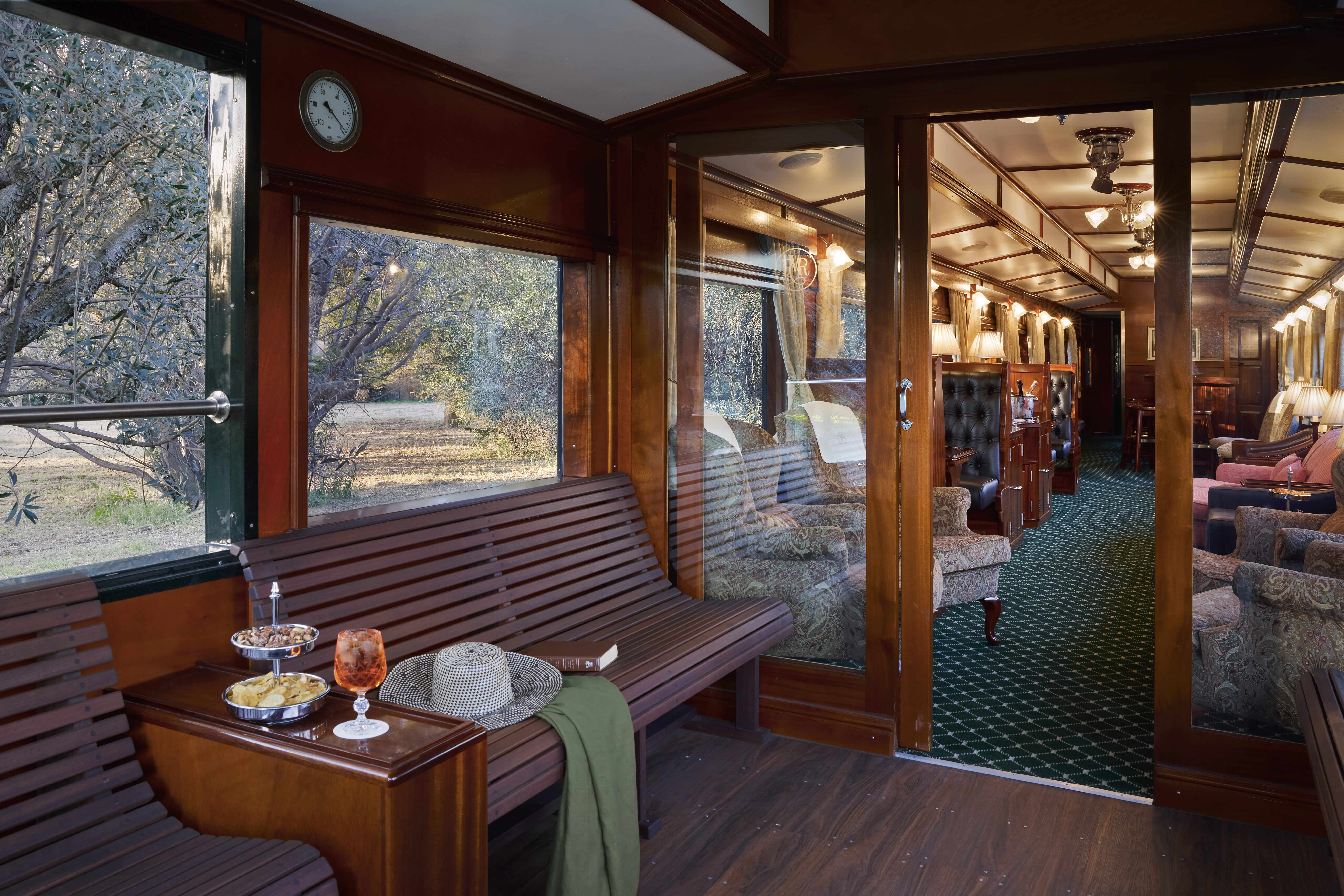
Inside, it still feels like a different century: wood panelling, brass fittings, deep armchairs. Underneath, though, everything is thoroughly modern. Rovos Rail still owns seven restored steam locomotives, but they’re only used at the Pretoria station now. Water and coaling stops have mostly disappeared across the network, so diesel and electric locomotives haul the trains for the actual journeys. Rovos Rail employs more than 430 people. Many of them are still restoring carriages at the Pretoria depot.
What It’s Actually Like Onboard
Every train carries a maximum of 72 passengers, which keeps the whole experience closer to a small hotel than a packed carriage. There are three suite categories.
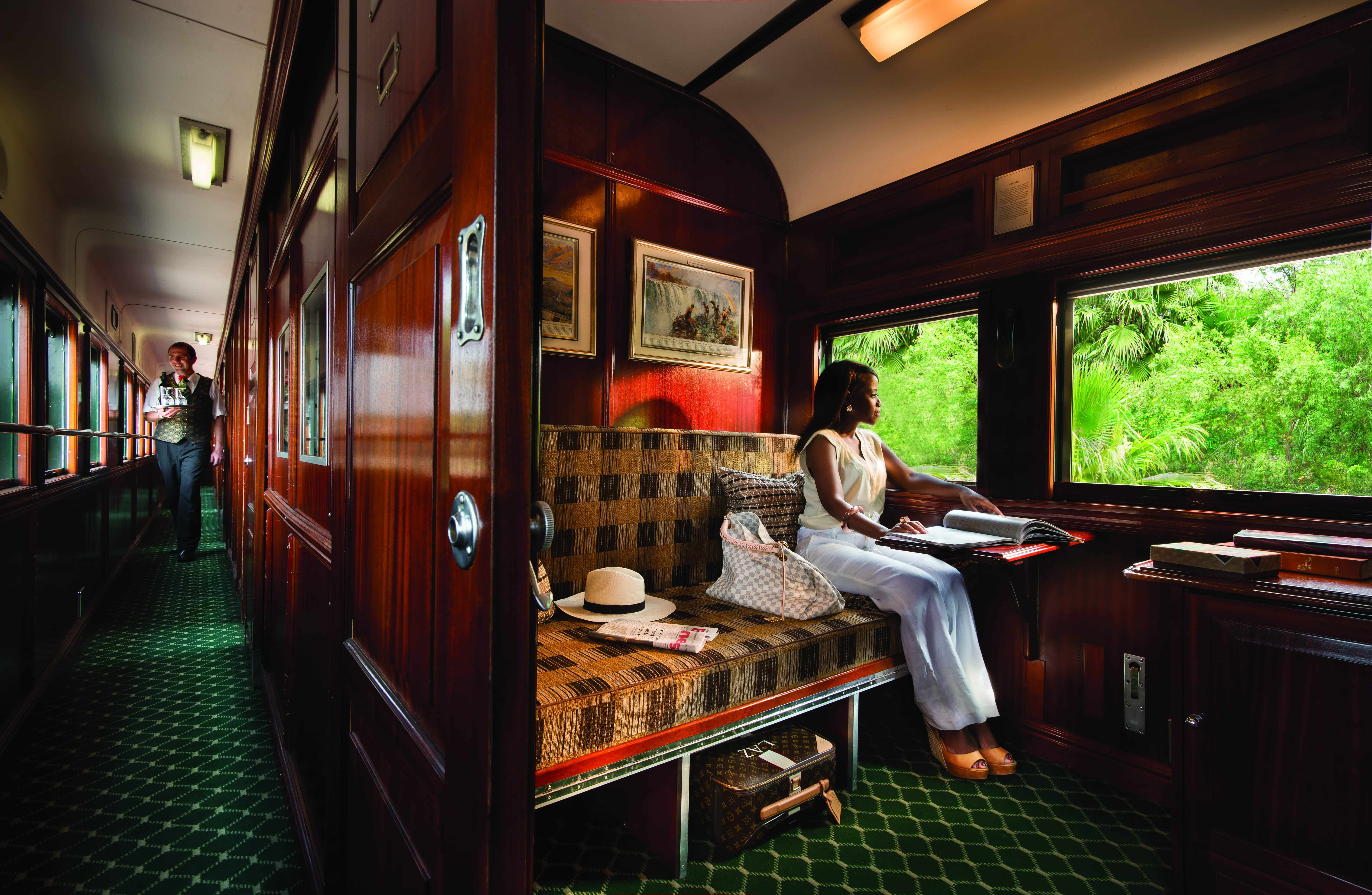
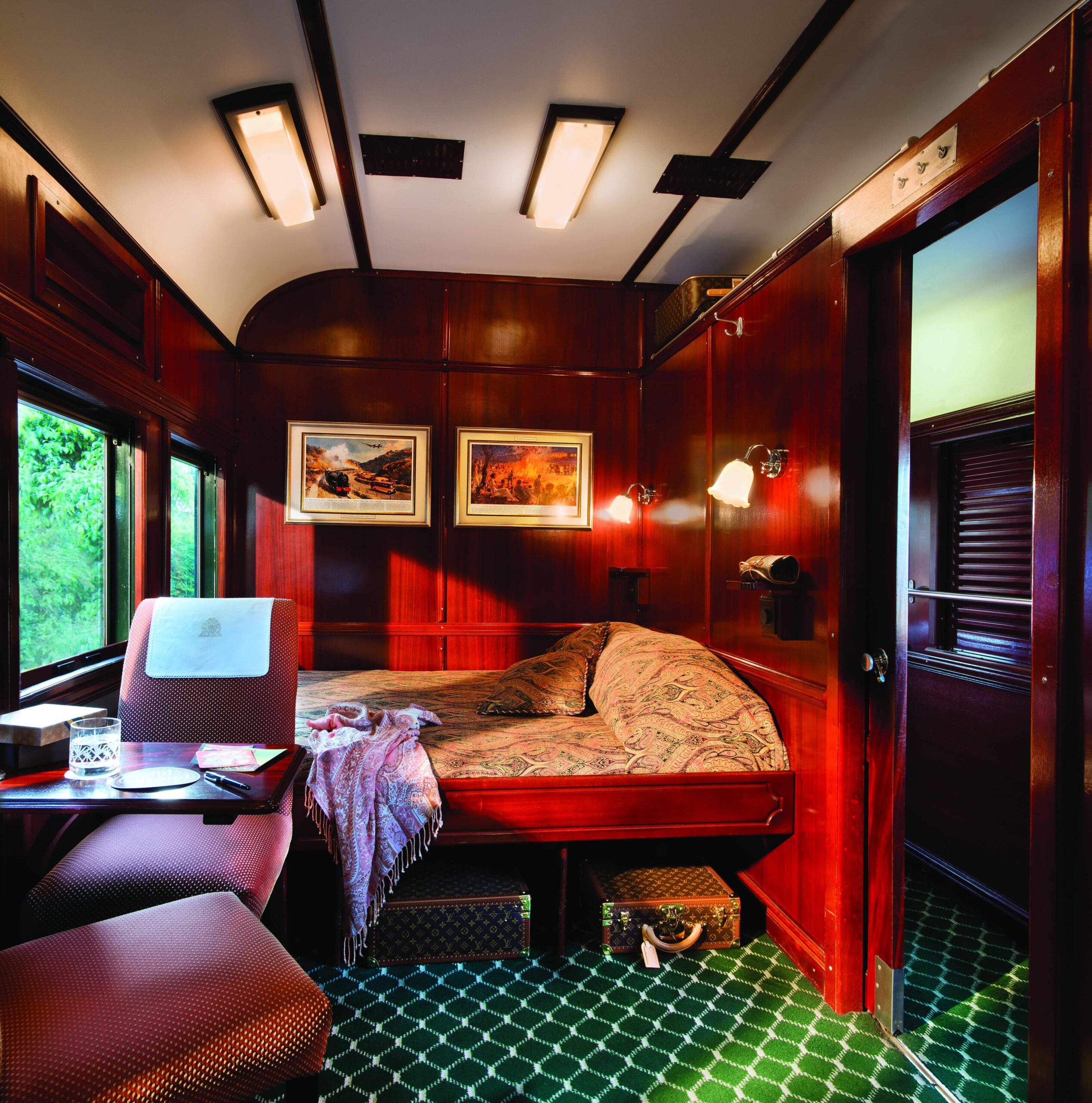

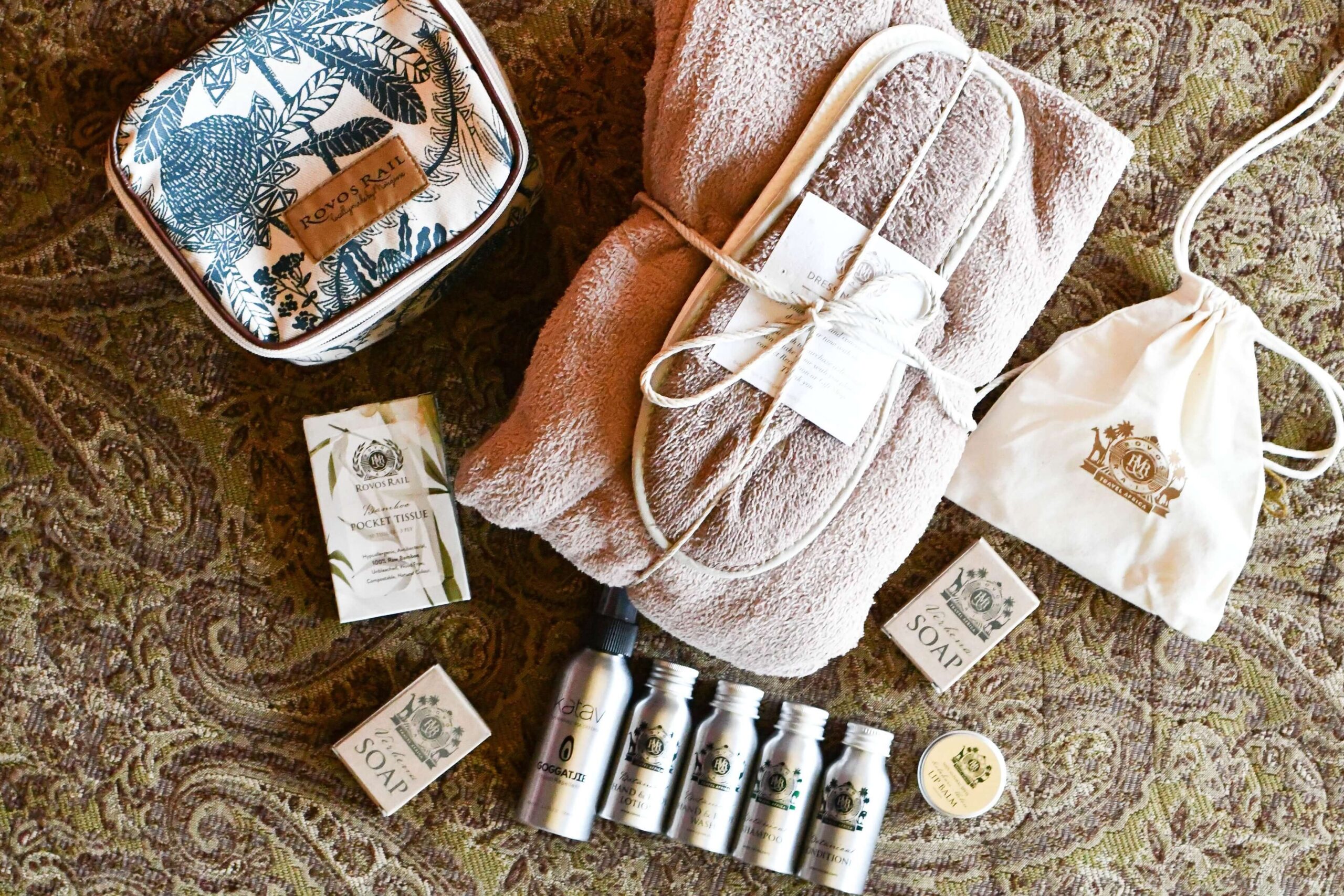
All three are ensuite, with air conditioning, a safe and daily servicing.
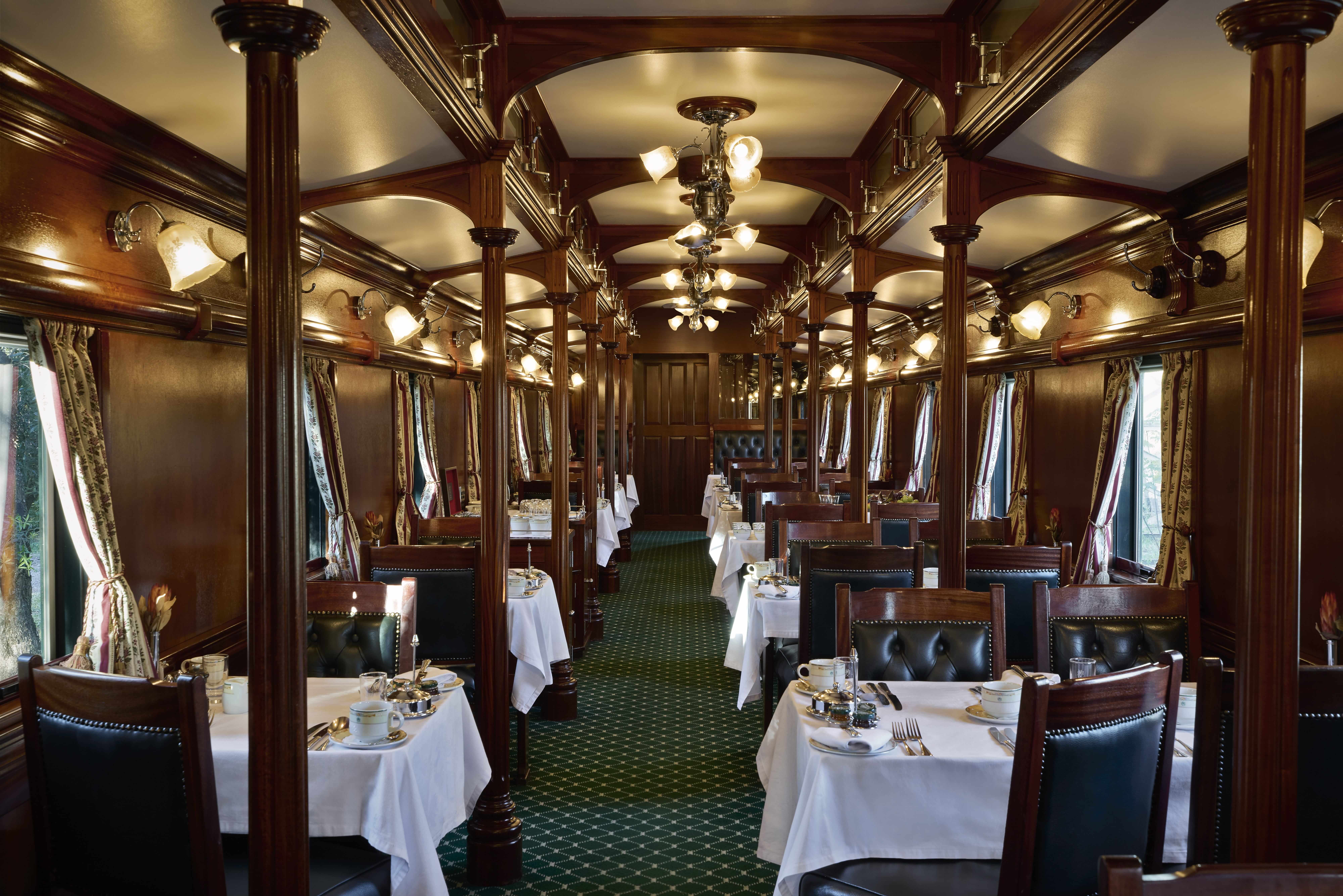
The communal spaces do a lot of the work too. There is a main lounge car, plus a smaller lounge where smoking is permitted. At the very back is the observation car, an open-air platform where most people end up standing at sunset, watching the line disappear behind the train rather than looking out ahead of it. Dinner gets its own stage: the dining car turns meals into a proper sit-down event rather than something eaten off a tray.
There are deliberately no televisions, radios or WiFi aboard, so the experience encourages you to disconnect rather than fill every spare moment (WiFi is available at Rovos Rail’s Cape Town and Pretoria lounges). Guests read, play cards or board games, talk to other travellers, have a drink, or simply watch a part of Southern Africa that most visitors would normally fly over.
The Routes
Rovos Rail runs a mix of short escapes and multi-country expeditions, all departing from Pretoria’s Capital Park Station and available in reverse.
| Route | Length | What it covers |
|---|---|---|
| Cape Town Journey | 3 nights | Pretoria to Cape Town, 1,600km via Kimberley and the Big Hole, ending in the Cape Winelands |
| Victoria Falls Journey | 3 or 4 nights | Pretoria to Victoria Falls, 1,400km, crossing the Tropic of Capricorn via Hwange National Park |
| Durban Safari | 2 nights | Pretoria to Durban, 800km, a shorter run with game viewing built in |
| Golf Safari | 9 nights | Pretoria to Pretoria, round trip, 2,100km, built around a string of South Africa’s golf courses |
| Namibia Safari | 11 nights | Pretoria to Walvis Bay, across the Namib Desert to Namibia’s Atlantic coast |
| African Collage | 12 nights | Pretoria to Cape Town, 3,700km, a deep run through South Africa’s landscapes, game and history |
| Southern Cross | 11 nights | Pretoria to Victoria Falls, 2,500km, through South Africa, Eswatini, Mozambique and Zimbabwe |
| Dar es Salaam Journey | 15 nights | Cape Town to Dar es Salaam, through South Africa, Botswana, Zimbabwe, Zambia and Tanzania, the longest journey on offer |

Check out Soweto and Apartheid museum tour
4. What to expect on the road
One of the best ways to experience Rovos Rail is to make it one memorable chapter of a larger African journey, rather than the whole holiday itself, and that’s exactly how we build it into our own itineraries. We weave Rovos Rail into routes that already run through the regions we know well. The Pretoria to Victoria Falls train passes through Hwange National Park before reaching the falls, the same ground many of our self-drive itineraries cover by road through Botswana or Zimbabwe. The Pretoria to Walvis Bay train crosses the Namib Desert the way a self-drive Namibia itinerary does at ground level, just from a train window instead of a windscreen. A train journey and a self-drive safari ask different things of a traveller. The train takes care of everything and keeps its own rhythm, game drives, meals, a change of scenery outside your suite window. A self-drive hands back the keys and the pace instead. Several guests have used one to bookend the other: a few nights aboard Rovos Rail to open or close a trip, then a tailor-made safari circuit through the regions the train only glimpses from the window.
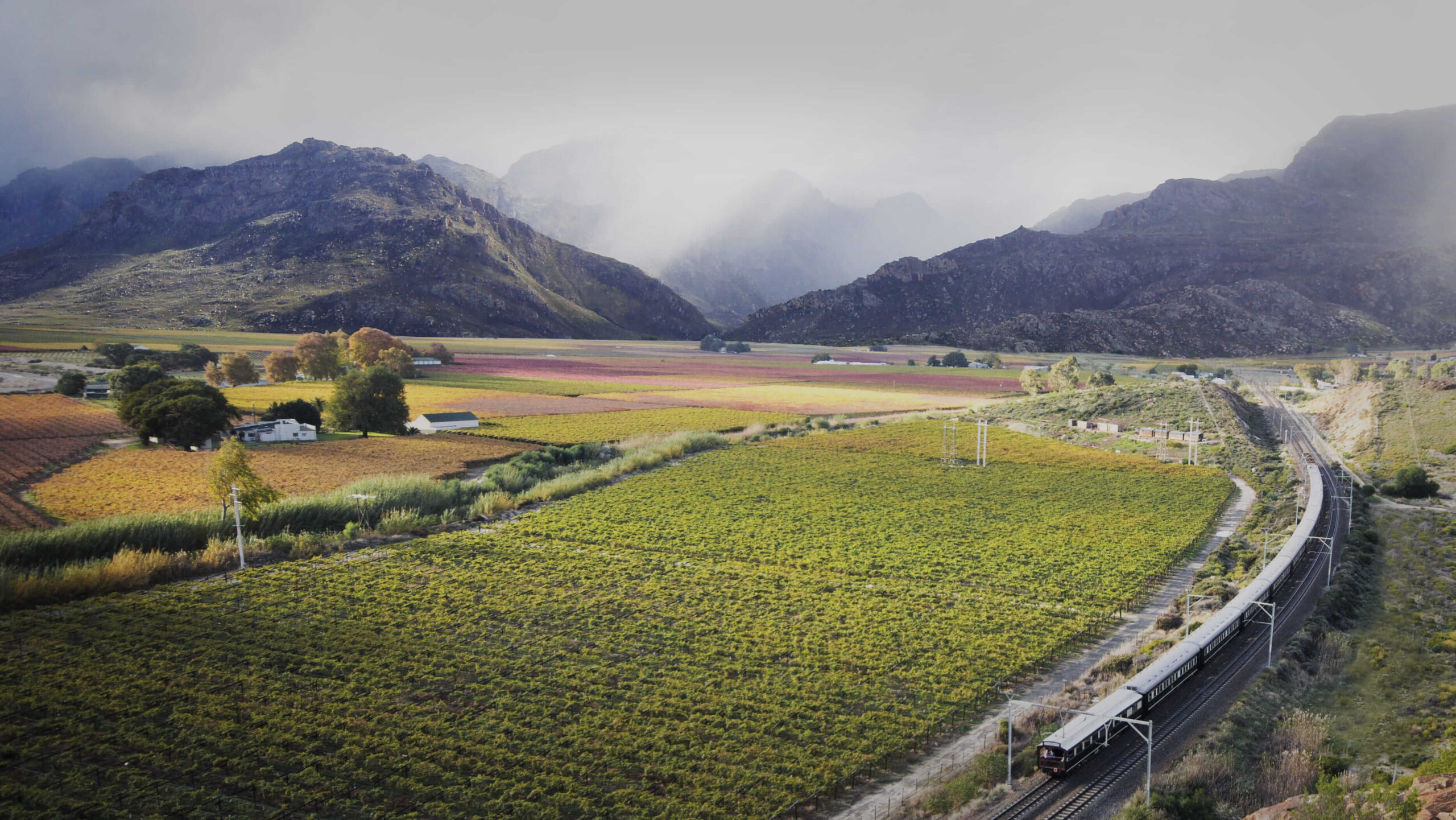
A couple of our itineraries show exactly how this plays out. One was a 15-day trip through South Africa, Botswana and Zimbabwe. Rather than flying back from Victoria Falls, the travellers closed the trip with 3 nights aboard Rovos Rail instead: a game drive through Hwange National Park, then on to Pretoria via the Tropic of Capricorn. The other was a 19-day circuit through South Africa, Eswatini, Botswana and Zimbabwe. It gave the same corridor 4 nights, with time off the train at both Hwange and Matobo National Park along the way.
In both cases, the train wasn’t the whole trip. It was the unhurried final chapter of one.
Planning Around It
Rovos Rail suits travellers who want the journey itself to be the point, not just the transport between two points on a map. It’s a natural fit for a honeymoon, an anniversary, or anyone who would rather watch Africa unfold slowly than tick through it by air.
A few things worth knowing before booking: suites, especially Royal Suites, sell out well ahead on popular routes like Victoria Falls and Cape Town, so these are worth locking in early in the planning process rather than as an afterthought. Each journey includes off-train excursions at stops along the route, so it’s rarely just time spent in the cabin. And because departures run to a fixed schedule rather than on demand, a Rovos Rail leg needs to anchor the rest of the itinerary’s dates, not the other way around.
Check out 10-Day Malaria-Free safari in Zululand
Talk to Us About It
Whether it’s a few nights aboard as a trip in itself, or a few days of rail woven into a longer safari, we can help you work out where it fits. Get in touch and we will build the route around it.
Frequently Asked Questions
Ready to book? Before you embark on your journey, find answers to common questions about this unique experience.