South Africa – Things to know before you go
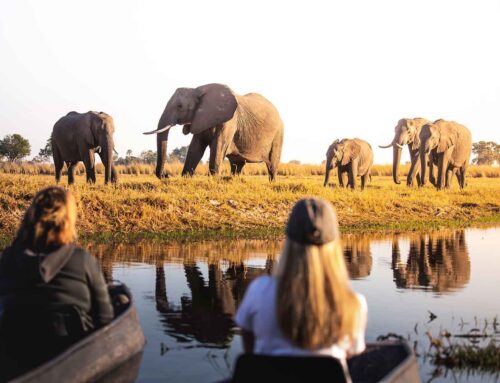
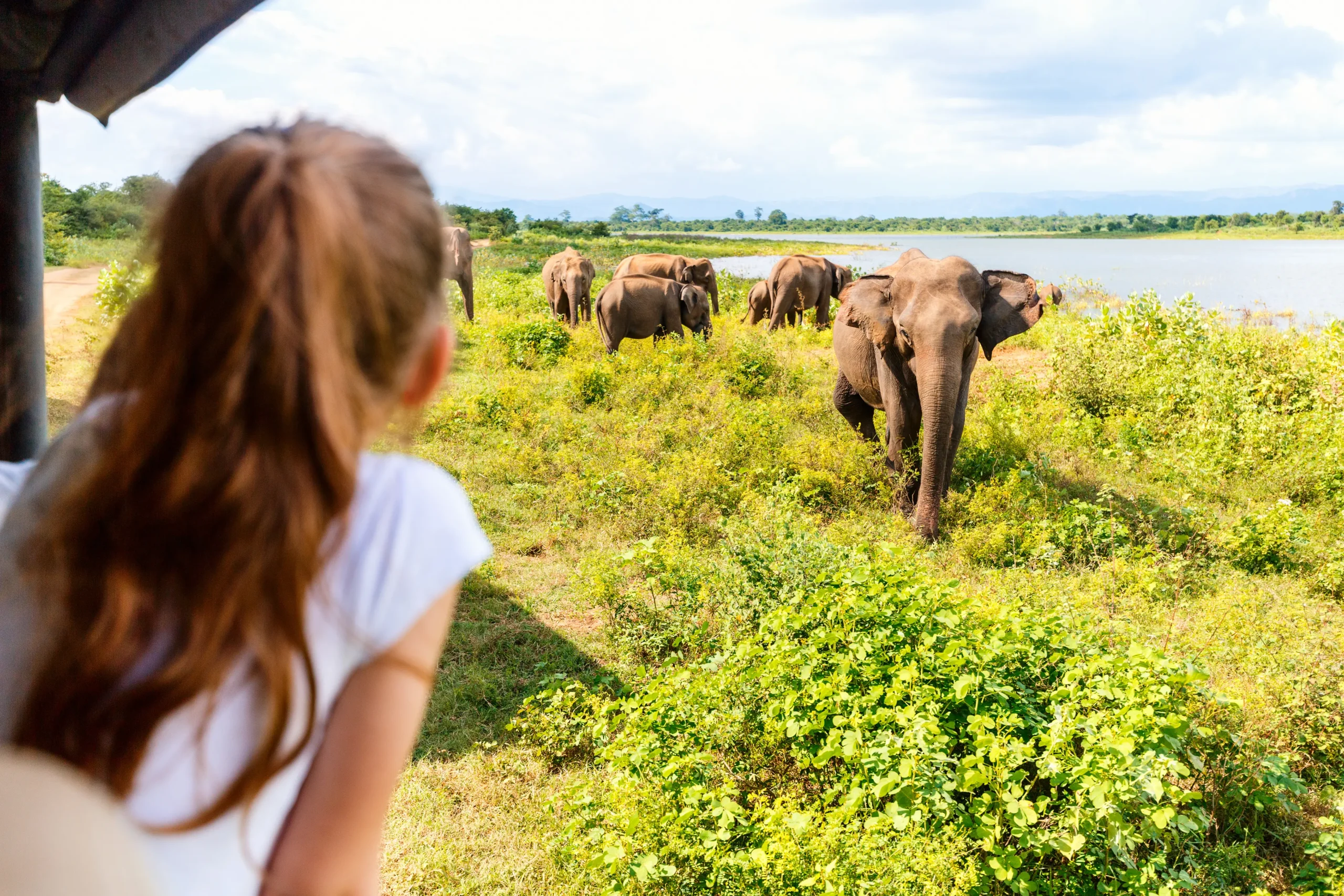
There is a reason South Africa keeps showing up on people’s travel lists. It is the 25th largest country on earth, bigger than France, Spain or Turkey, and home to a mix of cultures, cuisines, landscapes and people. You could be relaxing on a beach one day, then watching elephants cross the road in front of you a few days later. It is also a country where a little preparation makes a big difference. So here is what is worth knowing before you land:
1. South Africa at a glance


2. Entry requirements
Travellers from many countries, including Canada, the UK, the US and much of Europe, don’t need a visa for stays of up to 90 days. It’s worth confirming your own country’s status before you fly, since the rules differ by nationality. You will also want to make sure your passport is valid for at least thirty days beyond your intended departure date, and has at least two blank pages.
3. Plan around the weather
South Africa is not one climate. Cape Town’s weather can change quickly and unpredictably, while the Kruger tends to be warmer overall but still gets its share of rain, especially in summer. The Drakensberg is generally much cooler at higher elevations, and KwaZulu-Natal has its own subtropical climate. Even within one itinerary, conditions can vary a lot from one stop to the next.
Pack layers, and have a plan B. A light jacket, sun protection and something warmer for early mornings will take you further than a suitcase full of summer clothes. It is also worth building a little flexibility into your itinerary: a wet afternoon in Cape Town is the perfect excuse for a wine tasting or a museum. The same goes for weather-dependent activities, like the Table Mountain cableway, Robben Island, or a boat trip: try to schedule them early in your stay in that area, so you still have buffer days to reschedule if the weather doesn’t cooperate.

Check out Soweto and Apartheid museum tour
4. What to expect on the road
Drivers sit on the right and drive on the left-hand side of the road. Major roads are well paved and easy to navigate, but take extra care at intersections and roundabouts. Traffic lights are locally called ‘robots’, so don’t be thrown if someone tells you to turn at the next one. Roundabouts also go the opposite way to what many international drivers expect: you enter from the left and travel clockwise.
We recommend downloading Waze. It is particularly useful for live traffic, road incidents and route changes. Google Maps is also useful, and it’s worth downloading offline maps as a backup in case you lose signal. As an additional precaution, check that the boot is fully enclosed so bags aren’t visible from outside. If you are renting a car, check what the agency accepts alongside your home licence: a certified translation is often enough, which is useful for guests travelling from French-speaking countries.

At petrol stations, an attendant will fill your vehicle for you and clean your windscreen, and will usually offer to check your oil, tyres or water too. You simply say what fuel you need and how much:
“95 unleaded, please.”
“Diesel, please.”
“Full tank, please” (this means they will fill it completely).
Always check your rental car’s fuel type before filling up, and on longer routes between towns, it’s worth topping up when you can rather than waiting until the tank is nearly empty. Most stations accept major credit cards, and a small tip for the attendant is appreciated.
5. Be street-smart
Use the same precautions you would in any major destination. A few habits go a long way: keep valuables out of sight, keep your car doors locked and windows up in traffic, ask your hotel or guide about areas you don’t know, and avoid long drives at night in unfamiliar areas. The same goes for hiking and other outdoor activities: a place that looks quiet and beautiful is not automatically somewhere to explore alone, so ask your accommodation or guide and follow local advice. For the full picture, read our South Africa safety guide.
6. Tipping is part of the culture
Tipping is not compulsory, but it is customary for good service. It is entirely at your discretion.
- Restaurants: 10–15% is typical, and up to 20% for exceptional service. Many bills include a line for the tip for you to fill.
- Car guards and petrol attendants: R10–R20 is a good guide.
- A tip for tour guides and safari rangers is always appreciated.

7. What to expect on safari
Game drives often begin around sunrise, when it is cooler and wildlife is active. That means coffee while it’s dark outside, an open vehicle and a very sleepy version of yourself. Bring a warm layer: even if the afternoon forecast says 28°C, an early morning in an open safari vehicle can feel surprisingly chilly. Sun protection and comfortable walking shoes are also worth packing.
You may hear guides talk about the “Big Five“, a term that started as a list of the hardest animals to track on foot: lion, elephant, buffalo, rhino and leopard. Some guides also point out the “Small Five“, a fun wordplay on their giant namesakes: the elephant shrew, ant lion, leopard tortoise, rhinoceros beetle and buffalo weaver.


A few bush rules matter for your safety and the animals: never leave the vehicle outside a designated area, and follow your ranger’s instructions at all times. At night, stick to lit paths and let staff know if you need to move around camp, wildlife can wander through even well-established lodges.
8. Book early, and choose your game reserve wisely
Popular lodges and camps, especially private game reserves, can book out many months ahead, so it is worth planning well before the November to March peak season. If you are flying into Johannesburg and driving onward, try to book a flight that lands earlier in the day, so you have daylight hours to reach your first stop rather than driving at night.
When choosing a safari lodge, reserve size matters more than most people expect. Too small, and it can start to feel like a zoo. Too large, and you may spend more time driving between sightings than actually seeing wildlife. There is a comfortable middle ground worth asking your consultant or the lodge about. And Kruger is not the only option: Addo is known for elephants, iSimangaliso for its coastline, whale watching and birdlife, Hluhluwe-iMfolozi for its rhinos, and the Kalahari for meerkats and cheetah, each offering a different kind of safari.

9. Travelling with kids? Sort out the paperwork
Carry an unabridged birth certificate for each child, plus a consent affidavit from the other parent if only one is travelling. Requirements can change, so check the current rules with the South African Department of Home Affairs before you go.
If your trip includes a safari, it’s also worth checking the malaria risk in advance. The popular Kruger National Park is in a malaria-risk area, and SANParks advises visitors to consult a medical professional before travelling. If you would rather avoid the risk altogether, there are excellent malaria-free reserves, including Madikwe, Nambiti, Amakhala, Addo, Pilanesberg and Sanbona. They are a popular choice for young families and expectant mothers.

One more thing worth knowing: official SANParks game drives, in parks like Kruger and Addo, have a minimum age of six. There is no age limit if you self-drive through the park in your own car, which can be a good option for a safari experience with younger children.
Check out 10-Day Malaria-Free safari in Zululand
10. Embrace slow travel
A map might tell you a destination is only a few hours away. That doesn’t mean you should treat it as a transfer. South Africa is made for road trips, and some of the best moments happen in between: a mountain pass, a farm stall, a viewpoint, a small town, a wildlife sighting or an unexpected lunch stop. A trip along the Garden Route can be an experience in itself rather than just a journey between hotels. Road conditions, traffic and stops along the way can all add time, so a short-looking route doesn’t always mean a short travel day. Leave some breathing room in your schedule.

Planning your South Africa adventure?
We create tailor-made African journeys around the way you actually want to travel, from private driver-guided trips and self-drive adventures to small-group journeys and carefully selected safari stays. We can help you decide where to go, how long to stay and how to connect the pieces, rather than simply adding destinations to a map. Whether you’re dreaming of Cape Town and the Winelands, a family-friendly safari, a road trip along the Garden Route or a multi-country African adventure, we will help you build a journey that feels like yours. Contact us to start planning!