Your Guide To The Okavango Delta
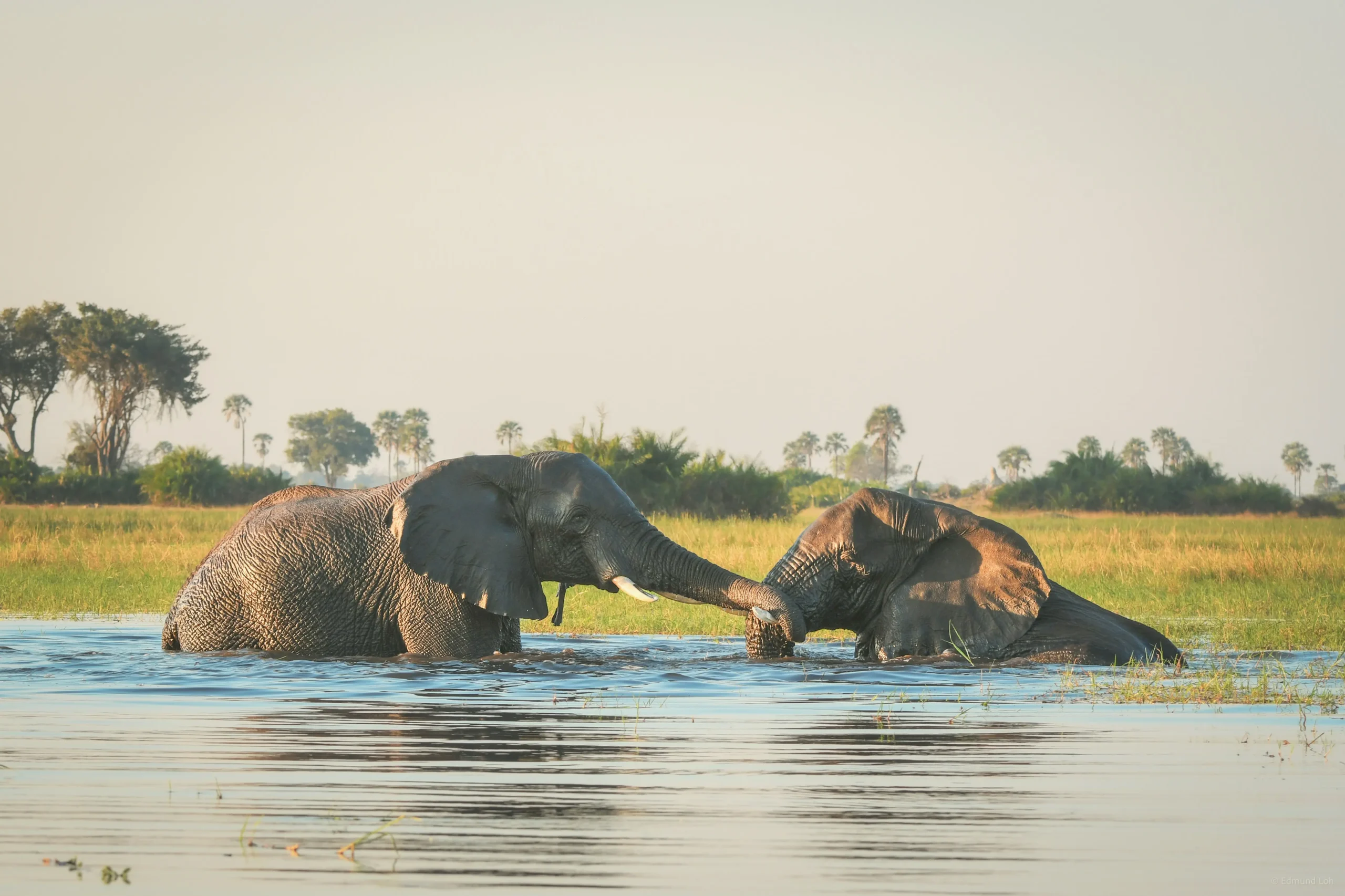
Your guide dips his pole into water so clear you can count the reeds beneath it. Somewhere ahead, a hippo exhales. A fish eagle calls. Nobody speaks. This is the Okavango — a flood that began as rain in Angola months ago, and ended up here, in the middle of the Kalahari desert, as one of the last true wildernesses on Earth.
Streams Born in Angola
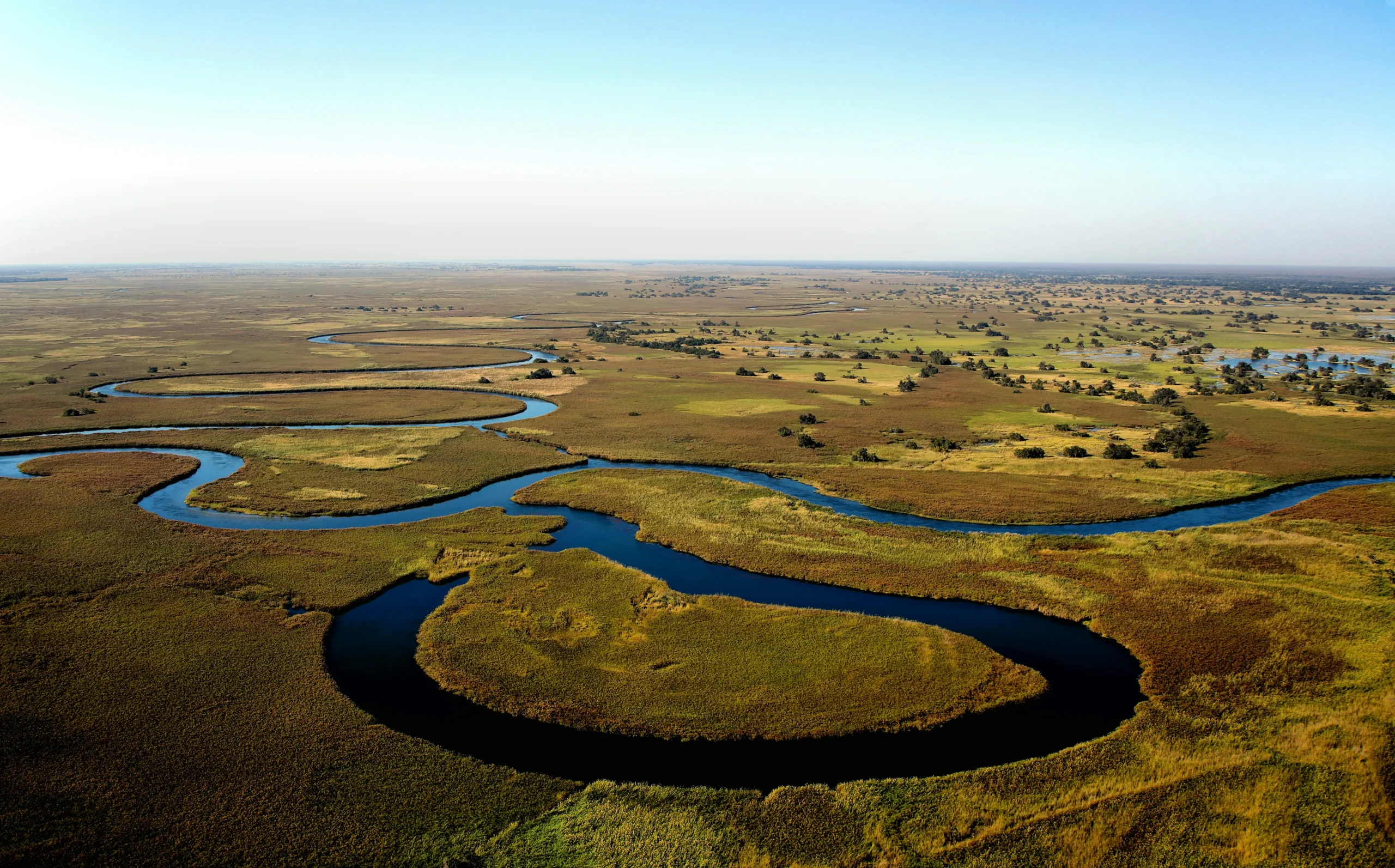
The magic of the Delta lies in its timing. This water doesn’t come from local rain; it begins as summer rainfall in the Angolan highlands, traveling over 1,000 kilometers south. It enters Botswana through a deep, narrow corridor known as the “Panhandle” before hitting a terrain so extraordinarily flat that the water fans out in a “slow-motion tsunami” across the Kalahari sands.
By the time the flood reaches its peak between June and August, the Delta has transformed into a 15,000-square-kilometer labyrinth of crystal-clear channels. Because of this unique cycle, the best time to visit is often the shoulder season (May and June), when the floodwaters are rising but the peak-season crowds have yet to arrive.
Getting to the Delta
For many, the journey begins at the gateway of Maun. Because much of the Delta is an inaccessible wetland, the most exclusive camps can only be reached by light aircraft. These “fly-in” safaris turn your transfer into a breathtaking scenic flight, allowing you to see the “claw-like” shape of the Delta from above before landing on a remote bush airstrip. Most flights from Maun to a remote camp take between 30 and 60 minutes, just long enough to watch the town’s dusty roads give way to an endless shimmer of water and papyrus below.
Meet Moremi
At the center of this ecosystem lies the Moremi Game Reserve. Unlike many African parks, Moremi was the first sanctuary created by local residents—the Batawana people—to protect their ancestral lands. This region is where the water meets the dry land, offering the highest density of wildlife, including the rare African Painted Dog and large prides of lion. On a game drive here, you move between two worlds within minutes — wheels churning through flooded grassland one moment, then climbing onto a dry island where elephant trails disappear into mopane woodland. It is this constant shift between water and land that makes Moremi unlike any other reserve on the continent.
Top Safari Activities in the Delta
Once on the ground, your exploration follows the “hippo highways” — the narrow channels carved through the dense papyrus by hippos, which create the very paths we navigate:
Mokoro Excursions: Glide silently through shallow waterways in a traditional dugout canoe, poled by an expert guide from the local community. This is safari at its most peaceful — close enough to watch tiny frogs on reed stems, brilliant birdlife overhead, and elephants drinking quietly at the water’s edge.
Walking Safaris: Explore the islands on foot with an armed guide. Feel the earth beneath your feet, learn to track animals, and appreciate the smaller details of the ecosystem — from leopard prints in the sand to medicinal plants used by the Batawana for generations.
Motorboat Trips & Tiger Fishing: For deeper channels, motorboats open up stretches of the Delta unreachable by mokoro — ideal for birding and seeking out hippo pods. The same waterways are world-renowned for catch-and-release tiger fishing, one of the most sought-after freshwater fishing experiences in Africa.

Book your Mokoro Adventure
Exclusive & Eco-Conscious
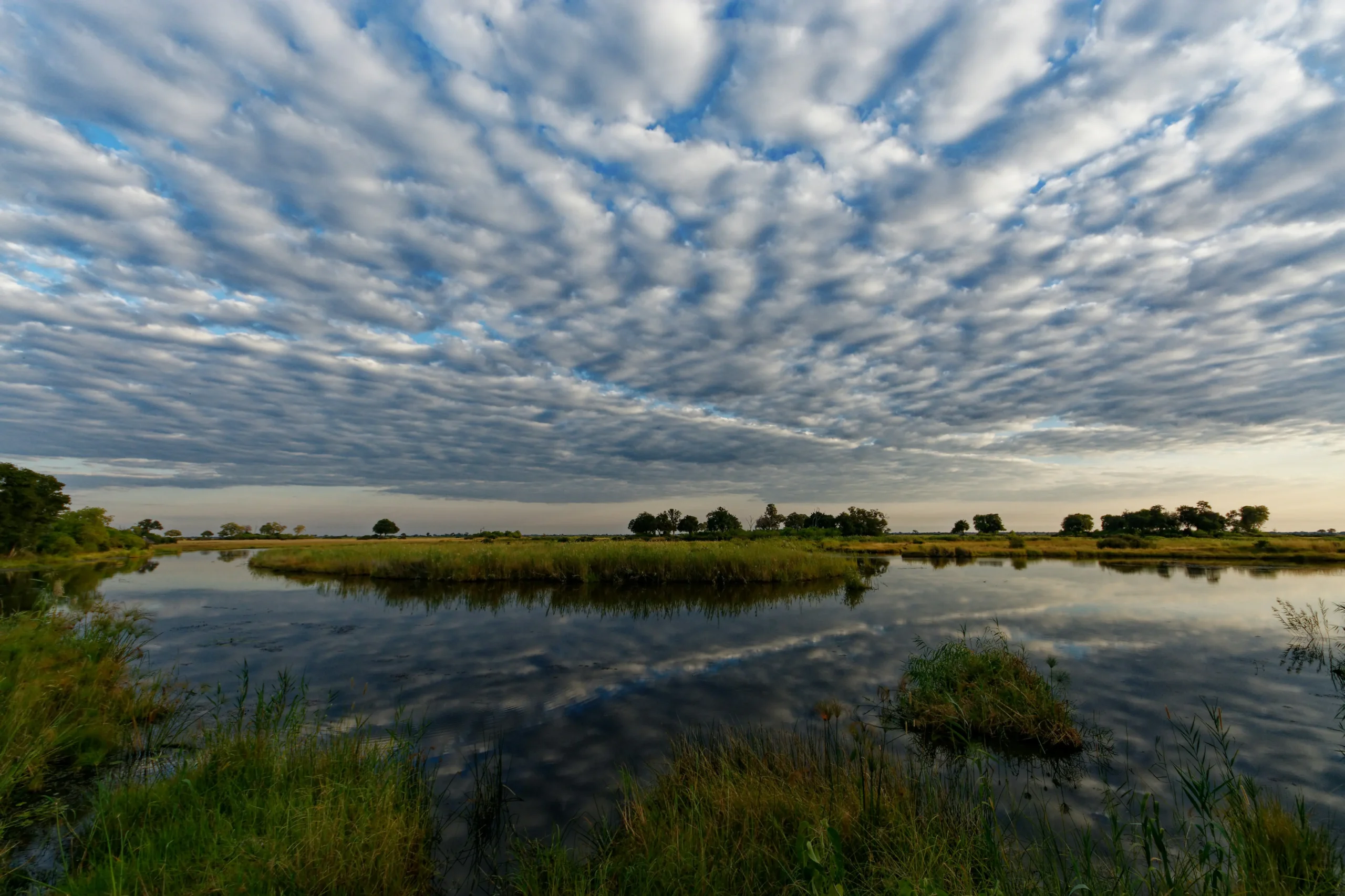
Botswana’s “high-value, low-impact” tourism model ensures that your experience remains intimate. Each private concession is capped at a handful of camps — often no more than 12 to 20 beds total — keeping game drives uncrowded and sightings unhurried. A portion of every booking flows directly back to the Batawana community through lease agreements and employment, making conservation here an economic reality rather than a stated aspiration. You can stay in remote, eco-friendly camps that are designed to leave nothing behind — no permanent structures, no scarred land — so that when a concession rotates, the bush reclaims it completely.

What to Pack: The Delta Essentials
What you bring matters as much as where you go — the Delta has a way of punishing the unprepared and rewarding the light traveller. A few rules go a long way:
The “Color Code”: Stick to khaki, sand, and olive. Avoid blue and black, as these attract tsetse flies, and avoid bright white, which can startle wildlife.
Land & Water Shoes: Bring lightweight, closed-toe walking shoes for the islands and waterproof sandals for the mokoro, where feet often get splashed.
The “Delta Layering”: Mornings on the water are bone-chillingly cold, while afternoons are hot. Pack a light puffer jacket and a beanie for sunrise boat rides, and a breathable, long-sleeved linen shirt for midday sun protection.
The Tech Protector: A small waterproof dry bag is a lifesaver for your camera and binoculars when navigating the low-slung “hippo highways.”
Frequently Asked Questions
Ready to explore the Okavango Delta? Before you embark on your journey, find answers to common questions about this eden.