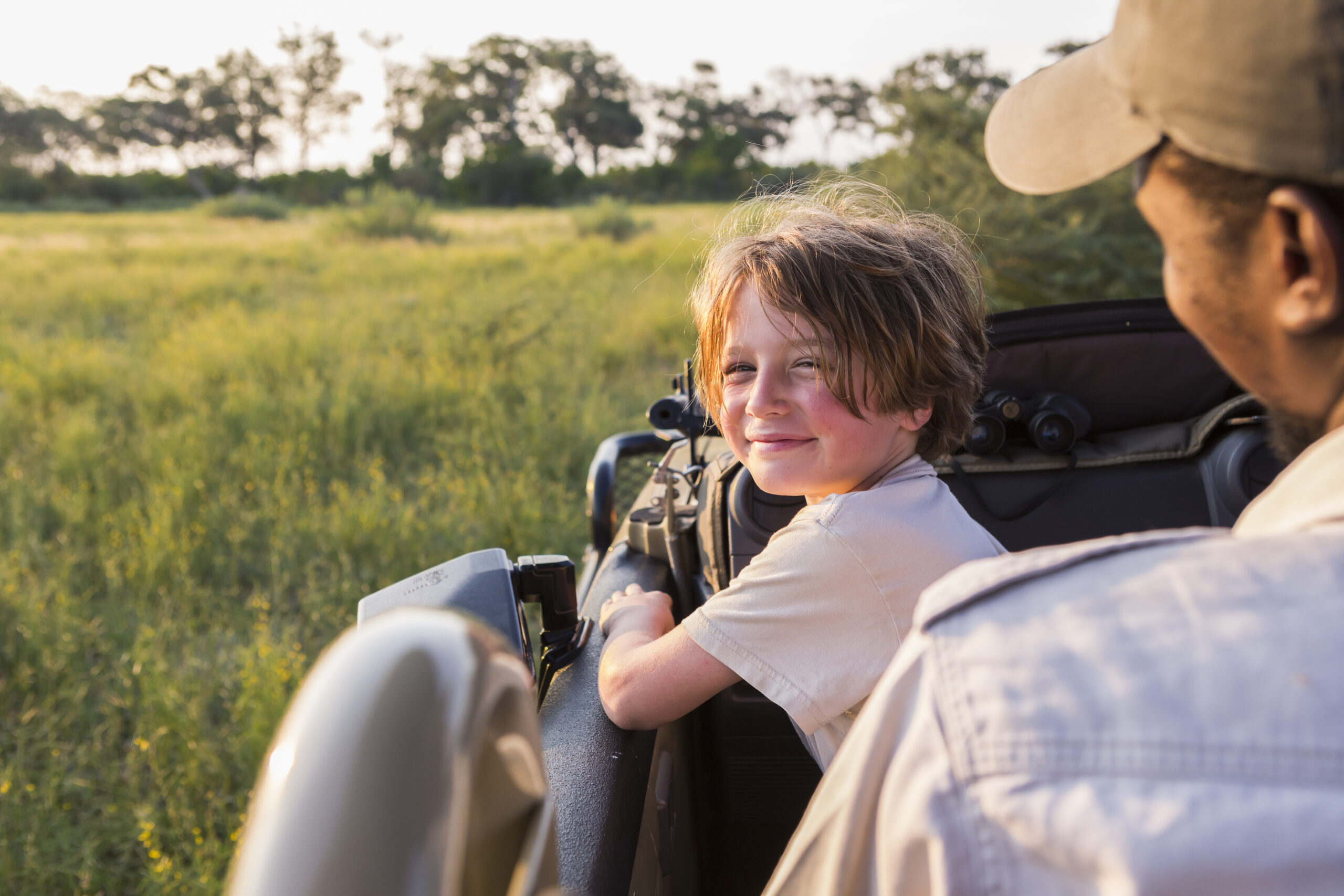
Escape on an adventurous journey designed by women, for women. Experience South Africa and Eswatini through authentic cultural encounters, stay in a traditional Zulu hut, dine with local families in townships, and explore some of Africa’s most spectacular landscapes—all in the safety and camaraderie of an all-women group.
Best of South Africa, a Women-Only Tour






- 11 Days
Adult
From
€2 500,00
Per Adult
Description
Duration
11 Days
Tour Type
Guided Tours
Language
English
Popular Features
- 24/7 Whatsapp support
- GPS included
- Reserve Now and Pay later

Highlights
- Conquer Table Mountain, visit Cape Point, and discover the Mother City.
- Sleep in a Zulu hut and stay with families in Langa and Soweto.
- Share meals with township families and learn traditional cooking.
- Get your adrenaline pumping with game drives in Kruger National Park and Hluhluwe-iMfolozi.
- Explore the natural wonders of the Blyde River Canyon, Sudwala Caves, and iSimangaliso Wetland.
Included
- All accommodation, meals and activities mentioned (except suggestions)
- The vehicle with GPS and comprehensive cover
- Your travel consultant available 24/7
- A contribution to one of our sustainable partners or initiatives.
Excluded
- International flights
- Passport and insurance fees
- Conservation fees and park entrances
- Tips and drinks
Travel Itinerary
Day 1 - Arrival in Cape Town
Sawubona! Welcome to South Africa! Your women's odyssey begins as you arrive at Cape Town International Airport, where our representative will greet you warmly and transfer you to your guesthouse in a secure neighborhood with easy access to everything the city offers.
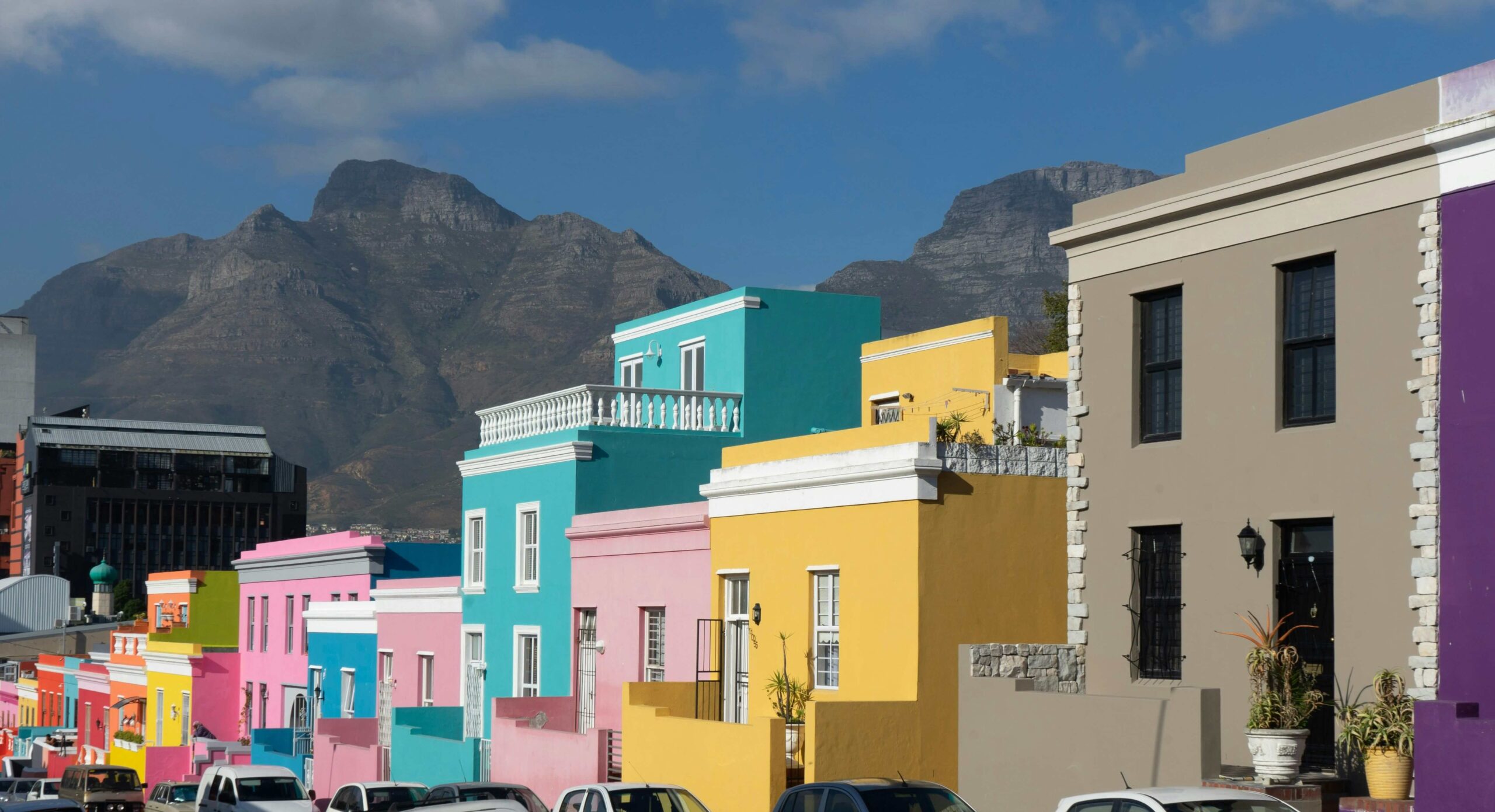
Cape Town is widely regarded as one of the most beautiful cities in the world, and you will immediately understand why. Nestled between Table Mountain and the Atlantic Ocean, with a backdrop of dramatic peaks, the city offers spectacular natural beauty at every turn.
After settling into your accommodation, join your guide and fellow travellers for the afternoon's highlight: ascending Table Mountain via the famous rotating cable car. This engineering marvel has been transporting visitors to the summit since 1929, and the 360-degree views during the ascent are breathtaking.
At the 1,085-meter summit, you will be rewarded with unparalleled panoramic views across Cape Town, the Atlantic seaboard, Robben Island, and the Cape Flats. The flat-topped mountain plateau offers various walking trails where you can explore unique fynbos vegetation found nowhere else on Earth. Take your time to soak in the views, snap photos, and perhaps enjoy a warm beverage at the summit café.
This evening, gather with your group for a welcome dinner at Marcos restaurant, where you will get to know your fellow travellers and discuss the exciting adventures ahead. This is the beginning of what promises to be a journey of discovery, empowerment, and sisterhood.
Day 2 - Cape Town & Peninsula Tour
After breakfast, embark on one of South Africa’s most scenic drives: the Cape Peninsula tour. This full-day excursion takes you along one of the world’s most beautiful coastal routes to the southwestern tip of Africa.
Your journey begins along the spectacular Chapman’s Peak Drive, carved into the cliffside high above the ocean. This engineering masterpiece offers breathtaking views around every curve as the road hugs the mountainside with the Atlantic crashing far below. Be sure to stop at viewpoints to photograph the dramatic scenery and keep an eye out for whales during the June to November season.
Leaving the cliffs behind, continue to Boulders Beach, home to a famous colony of endangered African penguins. These charismatic birds have made their home on this pristine stretch of sand; from the boardwalks, you can observe them waddling, swimming, and nesting just meters away.
Next, head deeper into the reserve as you journey to Cape Point, located within Table Mountain National Park. Standing at this dramatic headland, with steep cliffs plunging 200 meters into the churning ocean, you will feel like you have reached the end of the continent. While not technically the southernmost point of Africa (that’s Cape Agulhas), Cape Point is where the cold Atlantic and warm Indian Ocean currents meet, creating powerful swells and spectacular scenery.
To reach the summit, you can choose between a brisk 20-minute climb up the steep footpath or a ride on the Flying Dutchman Funicular. The 150-year-old lighthouse at the top offers sweeping views across False Bay. On clear days, you might spot Cape fur seals, dolphins, or even whales in the waters below.
On your way back toward the city, stop to visit a working ostrich farm. Here, you will learn about these fascinating birds—the largest in the world—and see them at different life stages, from massive eggs to fully grown adults.
As the day draws to a close, return to Cape Town in the late afternoon. Finish your adventure with dinner at the V&A Waterfront’s Quay Four restaurant, which offers fresh seafood and iconic views of the working harbor against the Table Mountain backdrop.
Optional Activities:
- Penguin Encounter at Boulders Beach: Get closer to the colony.
- Boat Trip to Duiker Island: Depart from Hout Bay to see thousands of Cape fur seals.
Day 3 - Day at leisure in Cape Town
Today is yours to explore Cape Town at your own pace, allowing you to tailor the experience to your interests. The Mother City offers countless possibilities, and we have arranged several optional activities that you can book in advance.
- Option 1: Sunrise Hike & Yoga - Start your day with an invigorating predawn hike up Lion's Head or Table Mountain, culminating in a yoga session as the sun rises over the city and ocean. This physically and spiritually rewarding experience offers a different perspective on Cape Town's beauty and is perfect for active travellers seeking mindfulness in nature.
- Option 2: Whale Watching in Hermanus - Drive 90 minutes to Hermanus, considered one of the world's best land-based whale watching destinations. From June to November, southern right whales come to these protected bays to calve. Watch these gentle giants breach, tail-slap, and nurse their young just meters from shore. A boat cruise offers even closer encounters with these magnificent creatures.
- Option 3: Langa Township Cultural Tour - Visit Langa, Cape Town's oldest township established in 1927. This immersive experience goes beyond typical tourism to show you the real Cape Town where most residents live. Walk through the neighborhood with a local guide who grew up here, visit a traditional healer (sangoma), see the hostels where migrant workers lived during apartheid, and visit craft cooperatives. Learn about the infamous "dompas" (pass laws) that controlled Black South Africans' movements. The tour provides essential context for understanding South Africa's history and contemporary challenges.
- Option 4: Wine Tasting in Constantia - Explore South Africa's oldest wine region, Constantia, nestled on the slopes of Table Mountain. Visit historic estates producing world-class wines, learn about viticulture in this unique terroir, and enjoy tastings of acclaimed Sauvignon Blancs, Chardonnays, and red blends while overlooking vineyards with mountain views.
- Option 5: Robben Island - Take the ferry to this UNESCO World Heritage Site where Nelson Mandela spent 18 of his 27 years in prison. Former political prisoners lead tours of the maximum-security prison, sharing firsthand accounts of life under apartheid. Visit Mandela's tiny cell and hear stories of resilience and hope that make this one of South Africa's most moving experiences. Book well in advance as tours sell out quickly.
This evening, you will experience an authentic township dinner in Langa, dining with a local family in their home. This isn't a restaurant experience—you'll share a meal prepared with love, hear personal stories, and gain insights into contemporary South African life that few tourists ever experience. These meaningful connections are what make this women's tour so special.
Day 4 - St Lucia & Zulu Village Experience
Rise early for your domestic flight from Cape Town to Durban (approximately 2 hours). This flight carries you from the southwestern tip of Africa to the subtropical east coast, crossing over the dramatic Drakensberg Mountains.
Upon arrival in Durban, you will be met by your guide and transferred north along the coast to St. Lucia (approximately 2.5 hours), a unique town situated on a narrow isthmus between the Indian Ocean and Lake St. Lucia estuary. This UNESCO World Heritage Site is part of the iSimangaliso Wetland Park, where some wildlife roams freely through town. Don't be surprised to see hippos grazing on lawns at night or warthogs trotting down streets!
After settling in, you have the option to experience one of the tour's most unique activities: a horseback safari in iSimangaliso Wetland Park. Riding through the African bush on horseback offers an intimate wildlife experience that game drives can't match. Horses allow you to approach animals more closely and quietly, and the elevated perspective provides excellent viewing and photography opportunities. Your experienced guides ensure safety while taking you through varied terrain including wetlands, grasslands, and coastal forests. (€50/person, book in advance)
This afternoon brings one of the tour's most authentic and memorable experiences: a visit to a traditional Zulu village with Phume, your local Zulu guide. This isn't a tourist show—Phume will welcome you into her family's kraal (homestead) for a genuine cultural immersion.
Your visit includes meeting a sangoma (traditional healer), who will explain the important role these spiritual leaders play in Zulu society. You will learn about traditional medicines derived from plants and the sangoma's role in connecting the physical and spiritual worlds.
Meet young Zulu women and learn about coming-of-age traditions, beadwork (where different colours and patterns carry specific meanings), and the role of women in Zulu society. Participate in traditional dancing and music, learning the significance of various rhythms and movements.
As evening falls, sit down with Phume's extended family for a traditional Zulu dinner. The meal might include dishes like pap (maize porridge), chakalaka (spicy vegetable relish), braised meat, and amasi (fermented milk). Share stories, ask questions, and experience the legendary Zulu hospitality firsthand.
Tonight, you will sleep in a traditional Zulu hut within the family's kraal. These beehive-shaped structures have been adapted for guest comfort while maintaining their authentic character. The experience of falling asleep to the sounds of rural Africa in a traditional dwelling is something you will never forget.
Day 5 - Hluhluwe Safari & Boat Cruise
Wake before dawn in your Zulu hut and enjoy a breakfast with the family before departing at 5:00 AM for Hluhluwe-iMfolozi Park. The early start is essential for optimal wildlife viewing when animals are most active.
Hluhluwe-iMfolozi is South Africa's oldest proclaimed nature reserve (1895) and one of the continent's most important conservation success stories. In the 1950s, the southern white rhinoceros was on the brink of extinction with fewer than 100 individuals remaining—all in this reserve. Through dedicated conservation efforts, the population recovered so successfully that Hluhluwe-iMfolozi supplied rhinos for repopulation programs worldwide. Today, the reserve protects approximately 90% of the world's remaining white rhinos.
Your morning game drive explores this 96,000-hectare reserve spanning both the hilly Hluhluwe section (meaning "thorny rope vine") and the more open Umfolozi area. The diverse habitats—from acacia savanna to dense riverine forest—support remarkable biodiversity. While famous for rhinos (both white and the rarer black rhino), the reserve is home to all of Africa's Big Five: lion, leopard, elephant, buffalo, and rhinoceros.
Your expert ranger will track animals using fresh spoor (tracks), droppings, and other signs. The elevated viewing from the 4x4 vehicle provides excellent photography opportunities. Listen to your guide's fascinating explanations of animal behavior, ecosystem dynamics, and conservation challenges.
Wildlife you might encounter includes nyala antelope (endemic to this region), giraffe browsing acacia trees, zebra herds, warthogs, and numerous bird species. If you're very fortunate, you might spot wild dogs—one of Africa's most endangered predators.
A bush breakfast is served at a scenic lookout point within the reserve—coffee and rusks while watching the African bush come alive is an unforgettable experience.
Return to St. Lucia around 1:00 PM and transfer to your glamping accommodation—comfortable safari tents with proper beds and en-suite bathrooms, offering the romance of camping with modern conveniences.
At 3:30 PM, embark on a boat cruise along the St. Lucia Estuary. This UNESCO World Heritage wetland system hosts one of Africa's highest concentrations of hippos and Nile crocodiles. Over 800 hippos and 1,500 crocodiles inhabit these waters, and you're virtually guaranteed close encounters with these impressive reptiles.
The cruise is also a birdwatcher's paradise with over 500 species recorded. Watch for African fish eagles, pelicans, herons, kingfishers, and countless other species. The surrounding coastal dune forests and reed beds create diverse habitats supporting this incredible biodiversity.
Your guide will share fascinating facts: hippos can hold their breath for up to five minutes, crocodiles can live over 70 years, and the estuary's mix of fresh and salt water creates a unique ecosystem. As the sun sets, the golden light illuminates the water and wildlife—a magical way to end the day.
Day 6 - Journey to Eswatini & Mantenga Cultural Village
After breakfast, depart St. Lucia and head north toward Eswatini (formerly Swaziland), one of Africa's smallest countries and the continent's last remaining absolute monarchy. The journey takes approximately 4-5 hours, crossing from South Africa's KwaZulu-Natal province into this landlocked mountain kingdom.
You will cross the border at Lavumisa/Golela, completing immigration formalities to enter Eswatini. The landscape becomes increasingly mountainous as you enter the kingdom, with rolling hills, traditional homesteads, and a palpable sense of entering a different world.
Eswatini (meaning "land of the Swazis") is unique in many ways. King Mswati III has ruled as absolute monarch since 1986, maintaining traditional customs including polygamy and ceremonial practices. The country has successfully preserved its cultural heritage while modernizing, creating a fascinating blend of ancient traditions and contemporary life.
Arrive at Mantenga Lodge in the scenic Ezulwini Valley (meaning "Valley of Heaven"), surrounded by mountains and forests. After checking in and having lunch, take time to rest and refresh by the pool or explore the beautiful grounds.
In the afternoon, visit the Mantenga Cultural Village, a living museum set against the dramatic backdrop of Nyonyane Mountain. This authentic reconstruction of a traditional Swazi homestead offers deep insights into Swazi culture and history.
Your guided tour begins with an explanation of homestead layout and architecture. Learn how traditional beehive huts are constructed using natural materials—grass, reeds, and wooden poles—and discover the specific purposes of different structures: the great hut (for the headman), cooking huts, grain storage, and cattle kraal.
Meet the sangoma (traditional healer), an essential figure in Swazi society. Learn about traditional medicine derived from indigenous plants, the sangoma's role in physical and spiritual healing, and how these practices coexist with modern medicine in contemporary Eswatini.
Discover traditional crafts including basket weaving, pottery, and beadwork. Swazi craftswomen are renowned for their intricate baskets made from local sisal, often taking weeks to complete a single piece. The patterns and colors carry cultural significance.
The visit culminates in a vibrant traditional dance performance by local performers. The energetic Sibhaca warrior dance, performed by men in traditional attire with shields and ceremonial weapons, showcases Swazi martial traditions. Women perform graceful reed dances in colorful traditional dress, demonstrating movements associated with the famous Umhlanga (Reed Dance) ceremony where thousands of young Swazi women present reeds to the Queen Mother.
The performances are authentic and powerful, connecting you to living traditions that have been passed down through generations. Return to your lodge for dinner and an evening at leisure.
Day 7 - Journey to Hazyview
After breakfast, visit Ngwenya Glass, one of Eswatini's most popular attractions and a remarkable example of sustainable craft enterprise. Located near the northern border, this glassworks was established in 1979 and has become renowned throughout Africa for its beautiful handcrafted glass art.
Watch skilled Swazi artisans transform recycled glass into whimsical animal sculptures. Using traditional glassblowing techniques passed down through apprenticeships, they heat recycled bottles and glass to 1,600°C, then shape the molten glass by blowing, twisting, and molding. Each piece is unique, capturing the personality and movement of African wildlife—elephants, rhinos, hippos, birds, and more.
The workshop employs local craftspeople, providing sustainable livelihoods while promoting environmental conservation through recycling. You can purchase pieces directly, knowing your money supports both artisans and environmental initiatives. These colorful glass animals make perfect souvenirs—lightweight, packable, and meaningful.
After the glass factory, cross back into South Africa and continue to Hazyview, the gateway town to Kruger National Park. The journey takes approximately 3-4 hours through scenic Lowveld countryside, passing tropical fruit farms (mangoes, avocados, bananas) and the occasional roadside market.
Arrive at Tatenda Guest House in Hazyview in the early afternoon. Check in and take time to rest after the journey. The rest of the day is at leisure to prepare for tomorrow's safari adventure.
If you would like to add activities, we offer two special experiences that can be booked in advance:
- Elephant Interaction: Visit a sanctuary offering ethical elephant interactions. This experience focuses on observation and education rather than riding. Learn about elephant behavior, conservation challenges, and the sanctuary's rescue work. Feed elephants and observe these intelligent giants up close. Note: We prioritize ethical interactions that respect elephant welfare and do not include riding.
- Traditional Banana Leaf Spa Treatment: Indulge in our travellers' favourite relaxation experience—a 3-hour traditional treatment inspired by centuries-old techniques from Asia and Africa. This exclusive treatment uses fresh banana leaves, indigenous herbs, and traditional massage methods. Only offered by select practitioners in Hazyview, it must be booked well in advance. Perfect for soothing muscles before and after safari adventures.
- Safari Preparation: Tonight, prepare for your Kruger safari. Pack your daypack with essentials: camera with extra batteries and memory cards, binoculars if you have them, sunscreen, hat, sunglasses, light layers (early mornings can be cool), and insect repellent. Wear neutral colors (khaki, olive, brown) rather than bright colors or white. Your guide will provide a comprehensive safari briefing.
Day 8 - Full-Day Kruger National Park Safari
Today is the highlight for wildlife enthusiasts—a full-day safari in the legendary Kruger National Park! Depart your lodge before dawn (around 5:30 AM) to enter the park at sunrise when animals are most active.
Kruger is one of Africa's largest and most famous game reserves, covering an area the size of Wales or Israel (nearly 20,000 square kilometers). Established in 1898, it's home to an astounding diversity of wildlife: 147 mammal species, 507 bird species, 114 reptile species, and countless other creatures. This is one of the best places on Earth to see Africa's Big Five in their natural habitat.
Your expert ranger knows Kruger intimately—where animals drink at different times of day, which roads offer best sightings, how to read tracks and signs. The open-sided safari vehicle provides excellent visibility and photography opportunities, and the elevated position helps spot animals in tall grass.
As you enter the park, immediately feel the thrill of being in wild Africa. The speed limit is strictly 50 km/h—not to frustrate visitors, but to protect wildlife and allow time to spot animals. Often the best sightings come from patient observation rather than rushing between sightings.
What might you see? Lions lounging in the shade, a leopard draped over a tree branch with its kill, elephant families moving to water, buffalo herds numbering in the hundreds, rhinos (both white and black), giraffe browsing treetops, zebras, wildebeest, and dozens of antelope species. Kruger's predators include lions, leopards, cheetahs, spotted hyenas, and wild dogs. Your ranger will explain behaviors, ecology, and the complex relationships between species.
Birdwatchers will be in paradise—Kruger hosts everything from massive ground hornbills to tiny sunbirds, from fish eagles to vultures. Many species found here occur nowhere else.
Stop at rest camps for breakfast and lunch (included), where you can stretch your legs, use facilities, and perhaps spot animals coming to waterholes. Many rest camps have viewing decks overlooking rivers where elephants, hippos, and crocodiles congregate.
Your ranger will share fascinating facts throughout the day: how elephants communicate using infrasound below human hearing, why lions hunt cooperatively, how termite mounds support entire ecosystems, which plants animals use for food and medicine. Every moment teaches you something new about Africa's intricate web of life.
Return to your lodge in the late afternoon, tired but exhilarated, with memory cards full of photos and hearts full of awe. Share stories and compare sightings with your fellow travelers over dinner—safari tales are best told fresh!
Safari Tips: Patience is key—sometimes you spend hours without major sightings, then suddenly encounter a pride of lions. Every sighting is special; even common animals like impala exhibit fascinating behaviors when you observe closely. Listen to your ranger's advice about staying quiet during critical moments and respecting animal space.
Day 9 - The Panoramic Route
Today takes you on one of South Africa's most spectacular scenic drives—the Panorama Route. After breakfast, journey north into Mpumalanga's escarpment region where dramatic landscapes unfold at every turn.
Your first stop is Bourke's Luck Potholes, named after gold prospector Tom Bourke who predicted (correctly) that gold would be found in the area. Over millennia, whirlpools where the Treur and Blyde rivers meet have carved extraordinary cylindrical rock sculptures and pools in the red sandstone. Walkways and bridges allow you to view these natural wonders from multiple angles. The swirling water continues to shape the rocks today—geology in action.
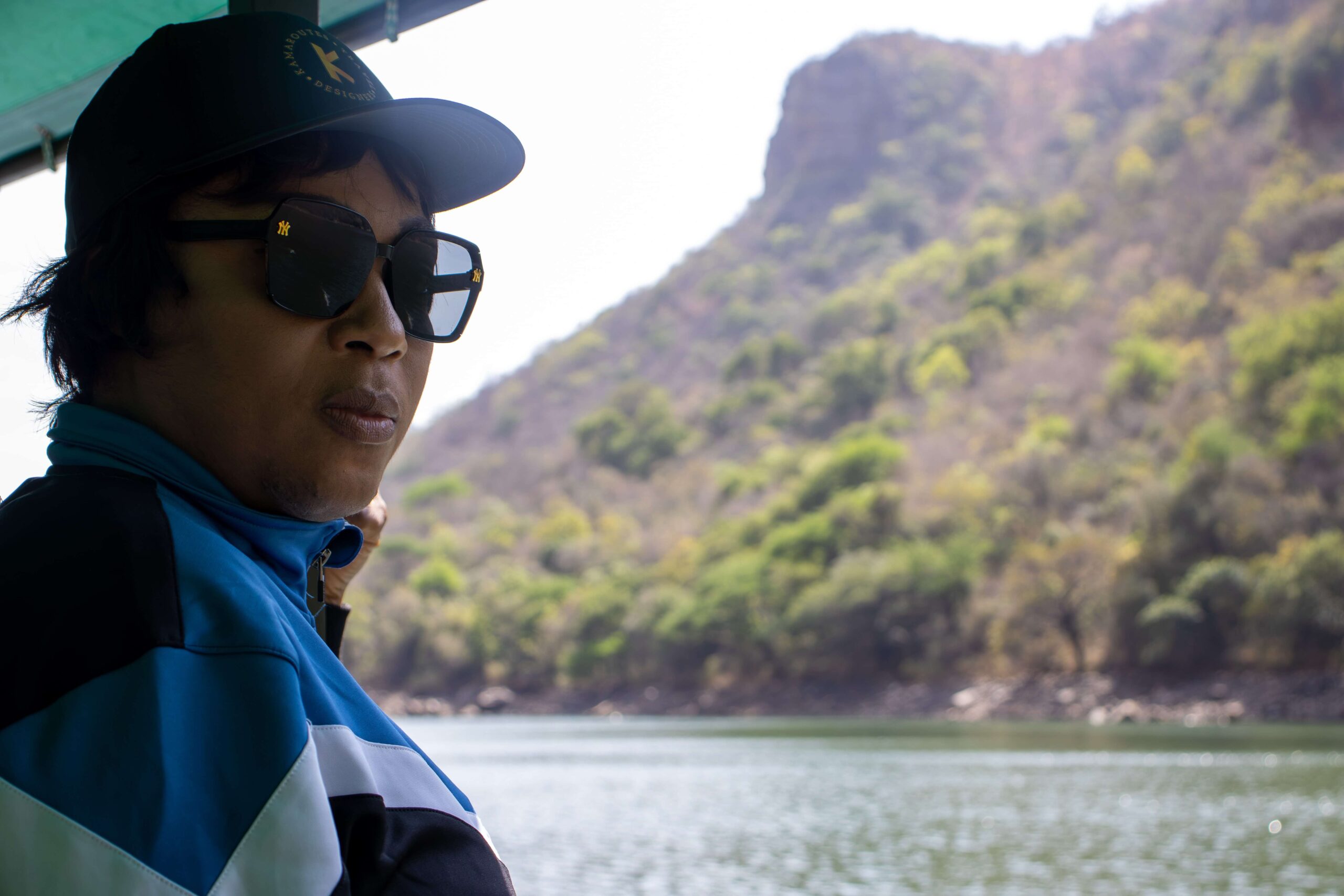
Continue to the Three Rondavels viewpoint, arguably the most photographed vista in South Africa. Here, the Blyde River Canyon opens before you in stunning panorama. At 26 kilometers long and up to 800 meters deep, it's the third-largest canyon in the world and the largest "green canyon" due to its lush subtropical vegetation (unlike the Grand Canyon's barren rock).
Three massive spirals of rock rising from the canyon floor resemble traditional African round huts (rondavels), hence the name. Each "rondavel" has its own name from local legend. The viewpoint offers sweeping views across the canyon to the Lowveld far below, where Kruger National Park begins. On clear days, you can see for over 100 kilometers.
Visit the spectacular waterfalls that dot the escarpment. Lisbon Falls (92 meters) and Berlin Falls (80 meters) cascade down sheer cliffs into misty pools below. The falls are named by early settlers after European cities. Walk to viewpoints where the roar of water and cooling spray create refreshing microclimates.
Stop in Graskop, a charming mountain village that served as a base for gold rush prospectors in the 1880s. Browse craft shops, enjoy lunch, and perhaps try the famous Graskop pancakes—enormous sweet or savory pancakes that have become legendary.
Visit Pilgrim's Rest, a living museum and the best-preserved gold rush town in South Africa. Gold was discovered here in 1873, sparking a rush that brought fortune-seekers from around the world. When mining ceased in 1972, the entire village was declared a national monument. Today, restored period buildings house museums, shops, and cafes. Wooden Victorian houses line unpaved streets, creating an authentic sense of stepping back to the 1880s.
Optional adventure: The Graskop Gorge Lift Company offers zip-lining and a suspension bridge crossing a 70-meter-deep gorge. Not for the faint of heart, but thrilling for adrenaline seekers!
Return to Hazyview in the late afternoon with a new appreciation for the dramatic landscapes and fascinating history of this region.
Day 10 - Journey to Soweto via Sudwala Caves & Ndebele Village
After breakfast, begin your journey toward Johannesburg and Soweto. The drive crosses back across the Highveld plateau, but two fascinating stops break up the journey and add cultural and natural depth to your odyssey.
Your first stop is the Sudwala Caves, believed to be the oldest known caves in the world at an estimated 240 million years old. These massive caverns in the Mankelekele Mountains have served various purposes throughout history—shelter for Stone Age people, a hiding place for Swazi prince Somcuba in the 1800s, and even as a potential ammunition store during World War II.
Descend into the cool depths (a constant 18°C year-round) on a guided tour through vast chambers filled with spectacular limestone formations. The PR Owen Hall is one of the largest cave chambers in the world. Marvel at stalactites and stalagmites that have formed over millions of years, some resembling frozen waterfalls or organ pipes. Your guide explains the geological processes that created these underground wonders and shares the caves' colorful history.
Continue to a traditional Ndebele village near Middelburg, where you'll experience one of South Africa's most visually distinctive cultures. The Ndebele people are world-renowned for their vibrant geometric art—bold patterns in brilliant colors that decorate homes, clothing, and beadwork.
This authentic village is a living museum managed by the local community. Walk through the settlement of traditional homes, each exterior wall transformed into a canvas of geometric designs. The paintings are created exclusively by Ndebele women, who see this art as a way to preserve and transmit cultural heritage. Each pattern has meaning, encoding information about family status, identity, and history.
Meet Ndebele women who will explain the significance of different designs and colors. Learn how this art form evolved, particularly during apartheid when it became a symbol of cultural identity and resistance. Watch artisans creating the intricate beadwork for which Ndebele women are famous—beaded neck rings, aprons, and jewelry that signify age, marital status, and rank.
The village includes an old mission building now serving as a cultural center. This is not a commercialized tourist trap but a genuine community initiative to preserve traditions while generating income. Your visit directly supports the community.
Continue to Soweto in the early evening. Soweto (SOuth WEstern TOwnships) is South Africa's most famous township—home to Nelson Mandela and Archbishop Desmond Tutu (both Nobel Peace Prize laureates) and the birthplace of the anti-apartheid struggle.
Tonight, you'll stay with Amogelang, a pioneering woman entrepreneur who has operated her guesthouse in Soweto for over two decades. Amogelang's home was one of the first in Soweto to offer accommodation, helping visitors see beyond apartheid-era stereotypes to discover the vibrancy, culture, and resilience of township life.
Share dinner and conversation with Amogelang and perhaps other guests. She will share her personal experiences of growing up under apartheid, the changes since democracy, and contemporary challenges and triumphs. This personal connection transforms Soweto from a place of historical interest into a living community with real people facing real challenges with courage and hope.
Day 11 - Soweto Tour, Apartheid Museum & Departure
Your final day brings perhaps the tour's most emotionally powerful experiences as you explore Soweto and confront South Africa's difficult history at the Apartheid Museum.
After breakfast, your guided Soweto tour begins. This sprawling township of over 1.3 million residents was created during apartheid to segregate Black South Africans far from Johannesburg's white suburbs. But Soweto became much more than a place of oppression—it became the heart of resistance, culture, and ultimately triumph.
Visit Nelson Mandela's former home at 8115 Orlando West, now a museum. This modest brick house was where Mandela lived with Winnie and their children before his 1962 arrest. The house has been preserved as it was, with family photos, personal items, and exhibits documenting Mandela's life. Standing in the room where South Africa's greatest leader lived his family life before 27 years of imprisonment is profoundly moving.
Vilakazi Street, where Mandela's house stands, is the only street in the world to have been home to two Nobel Peace Prize laureates—Mandela and Archbishop Desmond Tutu both lived here. The street has become a vibrant hub with restaurants, craft vendors, and street performers, symbolizing Soweto's transformation.
Visit the Hector Pieterson Memorial and Museum, dedicated to the Soweto Uprising of June 16, 1976. On that day, thousands of schoolchildren marched peacefully to protest the imposition of Afrikaans as the language of instruction. Police opened fire on the unarmed children, killing 13-year-old Hector Pieterson (among many others). The iconic photograph of Hector's dying body being carried shocked the world and became a defining image of apartheid's brutality.
The museum uses photos, film footage, and personal testimonies to tell the story of that day and its aftermath. The uprising marked a turning point—international condemnation intensified, sanctions began, and young people became central to the liberation struggle. The memorial is a powerful reminder of the courage of ordinary people, especially children, who fought injustice.
Continue to the Apartheid Museum for the tour's most comprehensive historical examination. Designed by architects to recreate the apartheid experience, the museum forces visitors to enter through separate gates marked "Whites" and "Non-Whites," immediately experiencing the dehumanization of racial classification.
Through 22 exhibition areas using film footage, photographs, text, and artifacts, the museum documents South Africa's journey from colonial oppression through apartheid's systematic racism to the miracle of peaceful transition to democracy. Exhibits cover the Sharpeville Massacre, Soweto Uprising, Robben Island, the struggle's heroes, international solidarity, negotiations, and the first democratic election.
The museum doesn't shy from difficult truths—forced removals, torture, injustice—but also celebrates the triumph of hope over hatred. By the end, most visitors emerge with tears, transformed by understanding how a nation overcame seemingly insurmountable division.
(If the Apartheid Museum is closed, you will visit the Credo Mutwa Cultural Village instead. Credo Mutwa was a renowned Zulu sangoma and spiritual leader who championed women as guardians of ancestral wisdom and sources of spirituality. His teachings emphasized women's sacred role in maintaining balance and harmony.)
After this emotional morning, enjoy a farewell lunch together (included), sharing reflections on your journey and the bonds formed over these 11 days.
In the afternoon, you will be transferred to O.R. Tambo International Airport for your departure flight. Your South African Women's Odyssey concludes, but the memories, friendships, and insights gained will last a lifetime.
Maps
Frequently Asked Questions
We usually need at least 24 hours to confirm a booking but depending on availability when you contact us, we can accommodate last minute booking. Send us an email (bookings@kamaroutes.com) or a WhatsApp message (+27 73 071 8278) to get assisted as soon as possible.
While some camps in this package may not have full wheelchair accessibility, we offer customizable itineraries to cater to your specific needs. Please contact us to arrange adequate lodges and safari activities for your trip.
Pack for variety: neutral-colored clothing (khaki, olive, brown) for safaris, comfortable walking shoes and sandals, layers for varying temperatures (Cape Town can be cool, Lowveld hot), modest clothing for cultural visits (shoulders and knees covered shows respect), swimwear for hotel pools, sun hat and sunglasses, high SPF sunscreen, insect repellent, camera with extra batteries and memory cards, small daypack, basic first aid kit, any personal medications, and adapter plugs (South Africa uses Type D/M). Laundry service is available at most accommodations. Pack light—you'll be moving between destinations frequently.
This tour is created by women, for women, recognizing that female travellers often have unique preferences, concerns, and interests. Travelling in an all-women group creates a supportive, empowering environment where participants feel comfortable asking questions, sharing experiences, and forming genuine connections. The itinerary includes meaningful cultural exchanges with local women (Phume in the Zulu village, Amogelang in Soweto, Ndebele women artists), offering insights into women's roles, challenges, and triumphs in Southern African societies. Many solo women travellers appreciate the security and camaraderie of a women-only group while exploring unfamiliar destinations.
Unlike tourist shows, this tour prioritizes genuine cultural exchange. You will sleep in Phume's actual family kraal in a traditional Zulu hut, share meals prepared by families in their homes (not restaurants), and stay with Amogelang in her Soweto guesthouse. These aren't staged performances but real invitations into people's lives. Your hosts genuinely want to share their culture, and your visit provides meaningful income while preserving traditions. The Ndebele village is community-managed, not a commercial venture. These authentic connections often become travellers' most cherished memories—relationships formed that transcend typical tourist experiences.
Yes, with proper guidance and local hosts. Township tourism has become increasingly popular and safe when done responsibly. Amogelang has operated her guesthouse for over 20 years with thousands of satisfied guests. You'll be in a secure property in a residential area, not wandering alone. Your guide knows the area intimately and ensures your safety. Township stays challenge apartheid-era stereotypes and support local economies directly. Many travelers find Soweto among their favorite experiences—the warmth, hospitality, and vibrant culture defy expectations. That said, as anywhere, you should follow your guide's advice and use common sense.
South Africa's currency is the South African Rand (ZAR). ATMs are readily available across the country. Eswatini uses the Eswatini Lilangeni (SZL), but South African Rand is widely accepted there.
Tour Terms & Conditions
Please refer to our Terms and Conditions of bookings, including our Cancellation and Refund policies available here.
From €2 500,00
This tour is for you:

From €2 500,00
This tour is for you:
You might also like